
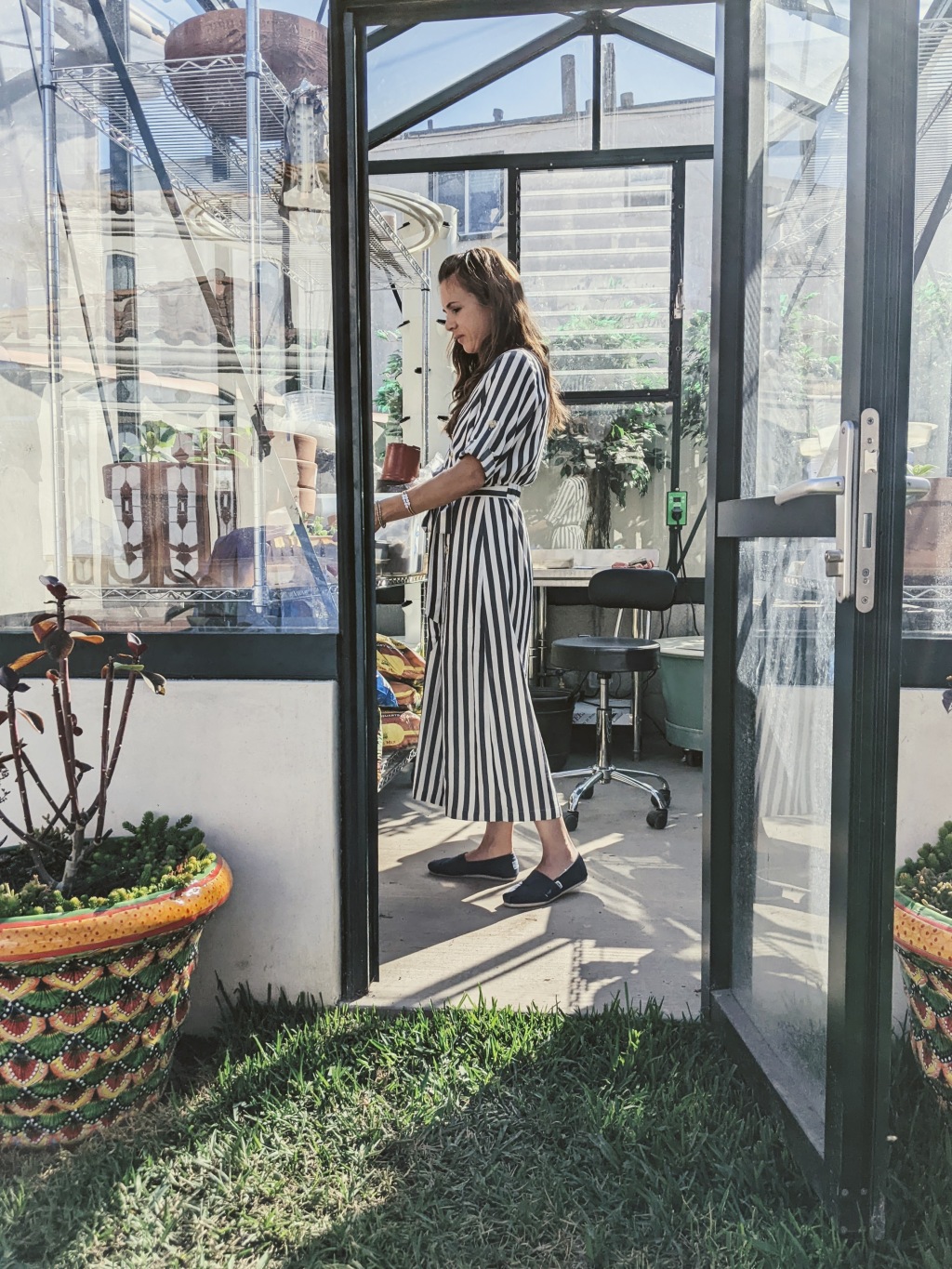
Step 1…just go for it. Seriously.
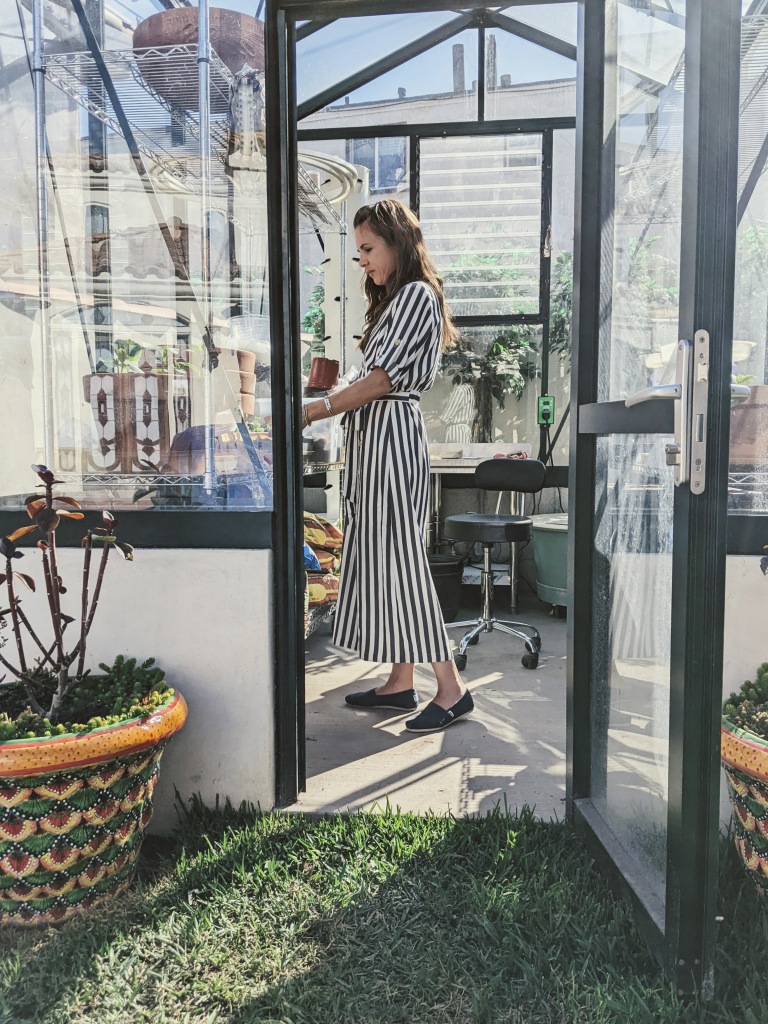
I hear all the time, “Wow, I wish I could grow plants!” (you can)… “All I do is kill them” (Great! You’re learning! Plants live thus they die too.)…”I wish I had a green thumb like you” (I can assure you, my thumb is normal flesh colored). I really don’t think starting a garden should be intimidating. If you are scrolling social media, remember….filters and close up shots do AMAZING things (just like they do for people!). Don’t set your standards to those photos. If you are ready to start growing, then I encourage you to get going! I know it can seem like there are a lot of “rules” to gardening, but every garden is unique and the rules develop as you learn what works in your space.
I started at my parents home after moving back in after college for a bit. I needed something to do so I grabbed a bunch of tomato plants and just kind of put them in the ground. I have no idea if it was even the “right time of year”. I just went for it.
It was a mess.
I had very little fruit and basically a massive, leafy tomato hedge that was the perfect home to every caterpillar in the neighborhood. Ha, I remember sitting out there picking off the caterpillars by the jar full. But, I learned so much! The next year, I tried again…then I moved out, and tried again…and again….and well you get it. That was 14 years ago (WOW…dang haha I just did that math). No, it did not take me 14 years to figure it out. By the second and third year I was perfecting my tomato game. I was and am pulling buckets of tomatoes from each plant. I now have a full home garden, landscaped with trees and shrubs I picked out myself and the list of seasonal vegetable variety is long.
Okay, in all honesty, if you are looking for step 1…I would suggest with determining what the objective of your garden will be. Some common objectives include:
- Landscape for curb appeal (This one we will categorize under “Planting for others”)
- Landscape for your outside oasis (Creating a place that you like to be outside…a lot like decorating a room inside your home)
- Growing Food
- Some Combination of all the above (This is me)
Next, no matter where you fit in the list of reasons to grow a garden, you really need to determine your climate. Not all plants can grow anywhere. If you simply Google Search, “Best flowers to grow in the Spring” or “Top Vegetable to grow at home” you could get a blog from anywhere in the world. I can assure you that plants that survive in the UK do not do well in the South Western United States and vise versa. Often, the writer of these articles that pop up first in these broad searches aren’t going to be specific to a region because they are trying to reach a broader audience (Such as big company resources like Better Homes and Gardens). Don’t get me wrong, there is a LOT of good information in these articles and blogs, but they are often too limited in advice for YOUR garden. If you want to know what grows in your area well, my first suggestion would be to go for a walk. Take some pictures of plants that are thriving that appeal to you. Most successful gardeners know what will do well in their own climate. Even if the plant survived “on accident”, there is a very valid reason for its success….it is happy in its climate. After all, the one thing we can’t control daily is our weather.

The next step is determining how much time and energy 1. YOU are willing to devote or 2. Pay someone to devote to your garden. The reality is they need attention. Are you planning on being out there multiple days a week tending to your garden, or are you more of the plant it and leave it type? This is important…your garden is full of living things. Just like our children…they need food and water to thrive 😉 Again, I am a little of both. My landscape is more of a plant it and leave it situation. I go in for maintenance about once a month (sometimes less). The secret to this was finding native plants. For me, this meant a lot of drought tolerant ones. Before we go much further, it would be good to note, I am writing from Southern California (Zone 10B technically). Our rain is LIMITED and the days are bright sunny and warm. So this is my “expertise”. To drive my point in about knowing your climate and conducting quick internet searches….almost everything I read mentions “no more risk of frost”. This makes me laugh…we absolutely don’t have frost. So, I immediately know that the writer is not writing their article for my garden. I have to take the general information and apply to what I know about my area.
Once you have determined your climate and have started getting a visual sense of what grows well (those walks I mentioned), go visit your local nursery….and take your phone ready to look up the plants on a quick internet search on water needs. Do you live in an area with lots of rain? Then plants that like “even moisture” will do fine. Otherwise “even moisture” means you will need to make sure you are watering your plant regularly.
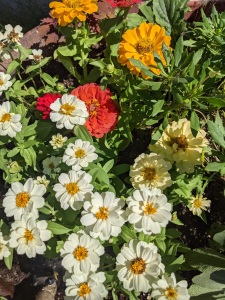
Another important note, perennial versus annual. This can get pretty confusing. I like to think of them as “leave it alone for multiple seasons” versus “I will be ripping this out and re-planting something new in that spot every season”. And by season… Summer and Winter are two different ones in the garden, yes even here in our very temperate Southern California Climate. The bushes/ shrubs/ trees….the foundation of the garden are/ should be perennial. They don’t tend to have long flowering seasons, but they will remain in their homes for multiple years. Annuals bloom for longer periods of time (meaning many months), but their life will only span one season. Most of your vegetables will fall into this second category. For example, tomatoes are grown in the warmer months, but then the plants are taken out at the end of the growing season.

For those of you looking to grow food, same advice really. Talk to others in your area, talk to the nursery experts for what grows well in your climate. Tomatoes and herbs are a great place to start. Though, if you plan to grow vegetables and such, this is not a plant it and leave it situation. I am out in my garden daily (yes, that might be a little extreme) but I am ALL IN on these babes. They are feeding us!

So what am I doing out there daily? Checking moisture, fruiting (vegetable) plants like more water. Checking for disease or pests. There are definitely more battles against pests with food…I mean after all, it is food right? The best defense against both disease and pests is early remedy. I will spend time picking off critters. I don’t like spraying at home because of my children, pets and well…we are planning on eating these plants…so no poison for us. This does mean more time picking off caterpillars and such. I will use an organic fungicide if absolutely necessary against things like powdery mildew, but often if it gets bad enough I just pull the plant. I also spend time pruning more often to help with disease prevention and fruit growth (when I say fruit, I also mean vegetables…the part you eat is often the “fruit” of the plant). Pruning is important to ensure that more energy goes to the fruit rather than foliage.
Start with a few plants. Before you know it, your garden will be full! The plants at the nursery definitely GROW! Crowding is a thing. I see often new gardeners wanting an immediate landscape and filling all the space with plants. Then within months they are ripping out plants because there are just too many! Gardening is all about the long game. Enjoy the process.
Happy Gardening!
Lauren

 ribbonsandscraps.blog
Leave a comment